Introduction
Artificial Intelligence (AI) is one of the most transformative forces reshaping business today, while many focus on algorithms, cloud and data, the people side of AI integration is often the make-or-break factor. At RaceAhead IT Solutions, we’ve observed that when teams are aligned, the deployment of AI goes smoother, wins multiply and ROI becomes real. Aligning Teams During AI Adoption is an advantage.

Here are data-driven practices to guide organizations, along with key metrics and reports to watch, that can help you align teams and ensure AI isn’t just adopted, but owned by your people.
Why the Human Dimension Matters?
Some big picture numbers help show why investing in people, culture and alignment is not just soft talk, it’s central to success. Aligning Teams During AI Adoption matters.
- According to the McKinsey Global Survey on AI (2025), over 75% of organizations now say they use AI in at least one business function. McKinsey & Company
- The Stanford HAI AI Index Report (2024-25) found that globally, 78% of organizations report using AI in their operations.
- However, another study shows that a large number of AI initiatives never reach full deployment or production. For example, a recent S&P Global report says the share of companies abandoning the majority of their AI initiatives before they reach production has risen from about 17% to 42% year-over-year.
Key Metrics to Use When Aligning Teams
To make AI integration more human-centric, you need to track certain metrics and build your reports around them. These provide transparency, enable course correction and help teams see progress.
1. Start with Vision & Purpose
Before rolling out AI tools, clarity on why matters most. Aligning Teams During AI Adoption starts with a purpose.
RaceAhead’s Transformational AI solutions integrate infrastructure, data science and business applications, enabling automation that’s tightly aligned with organizational goals.

- Metric to track: % of business processes mapped to AI outcomes before implementation.
- Benchmark: Organizations with clear AI objectives are 2.5x more likely to achieve positive ROI within the first year.
2. Engage Stakeholders Early
AI affects teams across functions—HR, operations, cybersecurity, IT and business lines.
With RaceAhead’s Connected Workforce offering, employees get secure, anytime-anywhere access to tools and data. This ensures everyone from frontline staff to leadership, stays informed, engaged and aligned during transformation.
- Metric to track: Stakeholder satisfaction score before vs. after AI pilots.
- Benchmark: In global surveys, 78% of companies using AI reported improved cross-functional collaboration when digital connectivity was strong.
3. Invest in Skills & Training
AI adoption fails when employees feel unprepared or excluded.
RaceAhead’s Modern Data Centers & Cloud Solutions offer scalable training environments for simulation, skill-building and real-time analytics—helping teams upskill without disrupting live operations.
- Metric to track: % of employees completing AI/data literacy training.
- Benchmark: Organizations providing structured AI training see 60% higher adoption rates.
4. Prioritize Trust & Cybersecurity
Concerns about data security and AI decision-making transparency can block adoption.
RaceAhead’s Enterprise Cybersecurity services protect applications, data, networks and endpoints, ensuring compliance and trust throughout the AI lifecycle.
- Metric to track: Number of security incidents before vs. after AI deployment.
- Benchmark: Companies with integrated cybersecurity see 50% fewer compliance breaches in AI rollouts (S&P Global, 2025).
5. Use Intelligent Networks for Continuous Feedback & Adaptation
AI projects need constant iteration—based on user feedback, performance data, and security insights.
RaceAhead’s Intelligent Networks provide real-time data pipelines for monitoring AI performance, gathering user feedback, and making quick refinements.
- Metric to track: AI model accuracy and user satisfaction per iteration.
- Benchmark: Gartner reports that organizations using real-time feedback loops improve AI success rates by 35%.
6. Measure Business Impact
AI success isn’t just technical; it must deliver measurable business outcomes.
RaceAhead integrates AI, cloud, networks and cybersecurity into a single, measurable framework for tracking ROI.
| Metric | Before AI | After AI | Goal |
| Time to complete customer requests | 48 hrs | 12 hrs | < 8 hrs |
| Cost per business process | ₹100,000 | ₹65,000 | ₹50,000 |
| Employee satisfaction with tools | 55/100 | 78/100 | > 80/100 |
| Security incidents per quarter | 5 | 2 | <1 |
Benchmark: SMEs adopting AI effectively report 11–15% cost reduction within the first year.
7. Celebrate Wins & Build a Future-Ready Culture
Race Ahead’s core values – Customer Focus, Relentless Ownership, Deliver Results, Celebrate Success, ensure that AI adoption isn’t just a technical project but a cultural shift.
- Recognize teams achieving milestones like highest AI adoption rates or most innovative process redesigns.
- Share before/after stories: e.g., a 60% reduction in manual data entry hours after deploying AI automation.
Practices to Incorporate
1. Baseline Assessment & Reporting
- Before rolling out AI, measure current status: e.g. % of workflows manual vs automated, employee familiarity with data/AI, cost/time of key processes.
- Produce a “Current State Report” for leadership and teams.
2. Set Clear, Measurable KPIs
- Examples: Reduce processing time for customer requests by 30% in 6 months; get 50% of target employees using a given AI tool daily; achieve X% cost savings in operations.
- Make sure each KPI has a metric owner.
3. Frequent Feedback & Dashboards
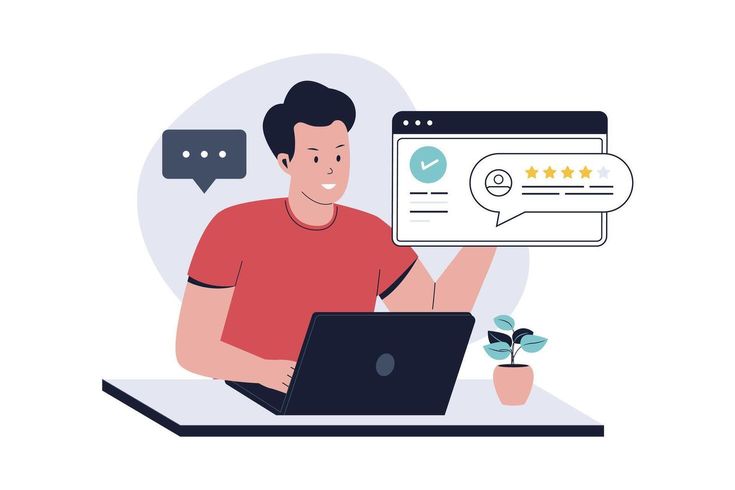
- Surveys and feedback forms after each pilot or rollout.
- Use dashboards to display adoption, usage, satisfaction, errors, etc. Visible to everyone, not just the top.
4. Spotlight & Celebrate Wins
- When the AI tool reduces error rates in QA from, say, 15% to 5%, highlight that.
- Show before/after comparisons: how many hours saved, how many people hours freed.
5.Ongoing Training & Role Redefinition
- Track who’s being trained, how often, and measure self-reported competency.
- Monitor change in roles—identify where AI changes work content, redefine accordingly.
Conclusion
Integrating AI isn’t just a technical journey. It’s a transformation of people, culture, and ways of working. With over 20 years of experience helping enterprises race ahead using IT infrastructure, cloud, AI, and more, RaceAhead IT Solutions is well-positioned to guide organizations in the human dimensions of AI integration ensuring technology empowers people, rather than perplexes them.
If you’re considering AI adoption or transformation, speaking with your teams about these human-side elements first will make all the difference.